 Loren Lippincott
It is that dreaded Tax Day again where we are expected to apply rules laid out in the 6,871 pages of the U.S. Federal Tax Code and 1,271 pages of the Nebraska Tax Code. And whether in Congress, the Nebraska Legislature or on Main Street, we hear the mantra: “The rich don’t pay their fair share!”
Here are the standard talking points of the American left: “The wealthiest among us don’t pay their fair share of taxes.” “The tax system helps rich people avoid paying what they should, while middle-class and lower-income families carry most of the load.” However, official government numbers tell a vastly different story. The truth is that America’s tax system does not even come close to equality and the rich already pay a much larger share of taxes than their share of income.
According to IRS stats for 2022, the top 1 percent of earners — people making more than about $663,000 a year — earned just over 22 percent of all income in the country, yet they paid over 40 percent of all federal income taxes. That’s almost double their percentage of income! The top 10 percent (making over $178,000) earned just over 49 percent of income but paid 72 percent of the taxes. Meanwhile, the bottom 50 percent of earners took home 11 percent of income but paid only 3 percent of federal income taxes.
Also, in recent years, the top 1 percent of taxpayers have paid about 43 percent of all income taxes. Their average tax rate was about 26 percent, while the bottom 50 percent paid an average rate of just 3.7 percent. When you include all federal taxes (income, payroll, corporate, etc.), the top 1 percent still pay around 30 percent of their income in taxes on average.
Some critics point to billionaires who seem to pay very little in certain years. They talk about borrowing money instead of selling assets or using tax breaks for investments. While these stories make headlines, they don’t reflect the overall picture. Most wealthy people’s investment income is taxed when gains are realized. Capital gains taxes exist for a reason — they reward risk and account for inflation and corporate taxes already paid.
And after all, what does “fair share” really mean? If it means everyone pays the same amount, that would be unfair because people earn very different incomes. If it means paying in proportion to income, the rich already pay far more. The U.S. tax code is designed around “ability to pay.” Lower-income families often pay little or nothing in federal income tax after credits like the Earned Income Tax Credit and many receive more in government benefits than they pay in taxes.
Meanwhile, the rich don’t just pay their own share, they help fund the entire system. Income taxes make up about half of federal revenue. That money pays for defense, roads, schools, Social Security, Medicare, and other programs. Without the large contributions from high earners, the government could not run as it does today.
The idea that the rich do not pay enough is just not supported by the numbers and it ignores how out of balance our tax system really is. Furthermore, raising taxes even higher on the wealthy could discourage investment and hurt economic growth. History shows that extremely high tax rates in the past did not always bring in more revenue as a share of the economy.
In short, the data is clear that America’s richest citizens already pay far more than their fair share by any reasonable measure. But the myth persists because it sounds good in speeches and plays into people’s natural tendency toward envy.
Scripture’s example of a 10 percent tithe for all, regardless of income or wealth, is simple and fair. It is equal for all and shows no favoritism. As the U.S. Supreme Court said in an 1874 decision, “Of all the powers conferred upon government that of taxation is most liable to abuse.” And abusing the most successful with unfairly high tax rates won’t fix our revenue and budget problems. Broadening the tax base and growing the economy would be smarter, fairer approaches.
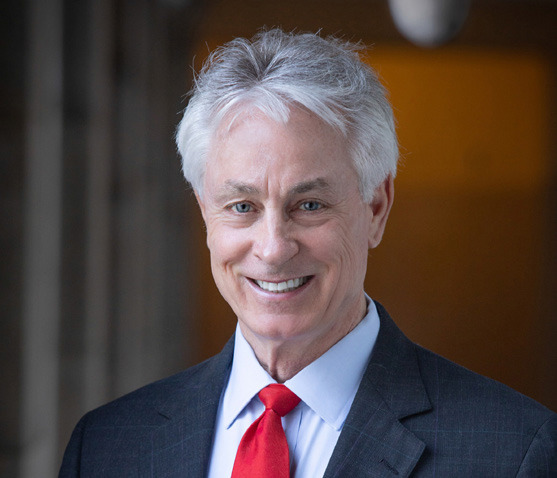
Loren Lippincott represents Legislative District 34 in the Nebraska State Senate. Read his column in the Nance County Journal.