
It’s not the first time Americans exposed to a dangerous virus have been brought to the city
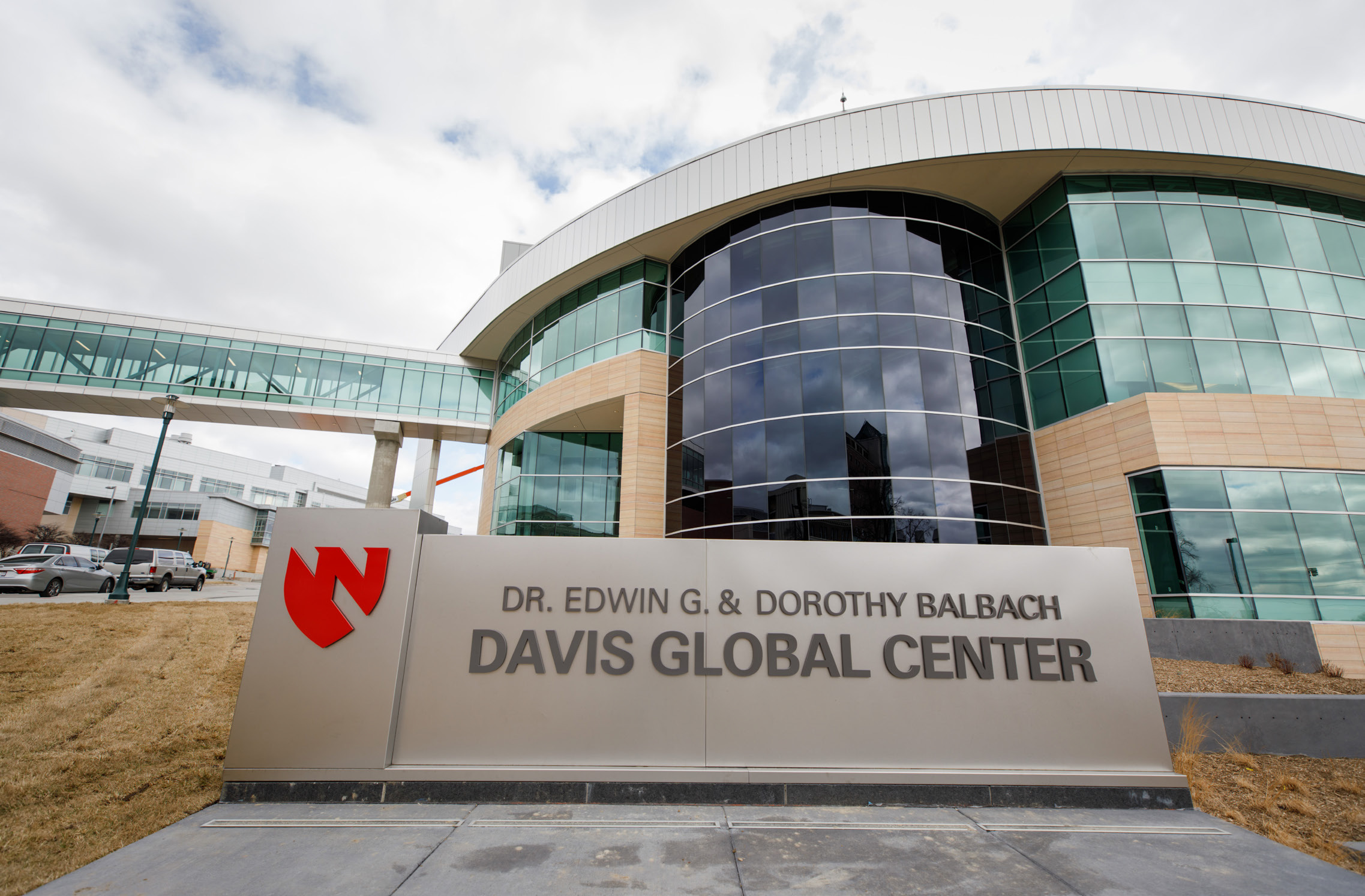
 The exterior of Davis Global Center in Omaha, where the National Quarantine Unit is located. Photo courtesy of Nebraska Medicine
-
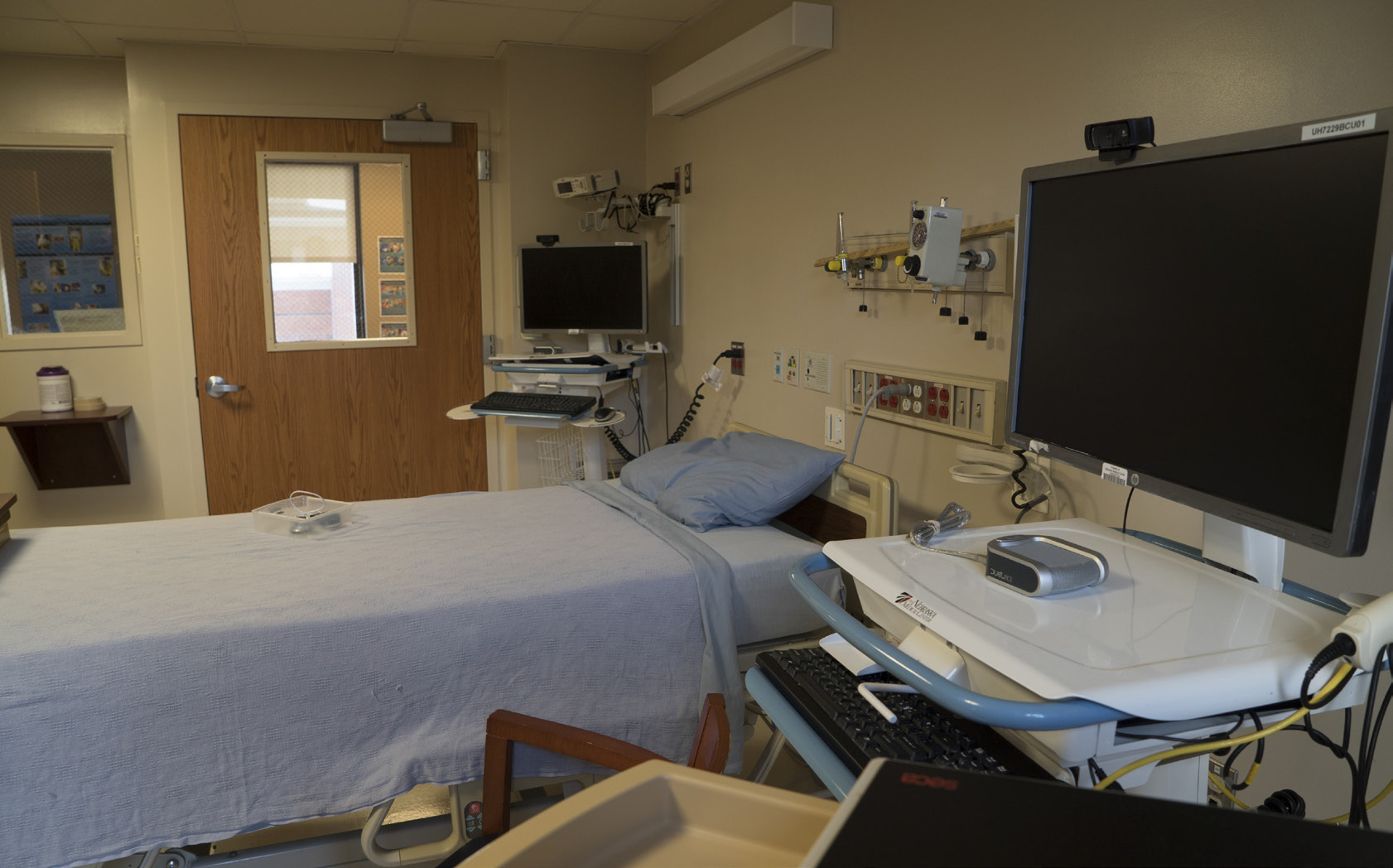
A patient room in the biocontainment unit at Nebraska Medicine.
As passengers prepared to disembark from a hantavirus-stricken cruise ship, public health officials announced 18 American citizens would soon be returning to the U.S. But they were not headed home or to a major hospital on either coast. They were going to Omaha.
The city is home to the National Quarantine Unit, operated by the University of Nebraska Medical Center and Nebraska Medicine.
As of Wednesday, public health officials were monitoring 16 of the patients in the Quarantine Unit, including one who had previously tested positive. Two others traveled on to another biocontainment unit in Atlanta. Unlike more common hantavirus strains that are only spread by rodents, this particular type of virus, known as Andes hantavirus, can spread between people in close contact.
Nebraska’s facilities have been used twice before: in 2014 to treat U.S. citizens with the Ebola virus, in 2020 to care for some of the first Americans with COVID-19.
“We are ready for this. This is what we train to do — to ensure that we can provide safe and efficient care,” said Angie Vasa, director of isolation and quarantine for special pathogens at Nebraska Medicine.
Why is it in Nebraska?
UNMC and Nebraska Medicine have had a dedicated biocontainment unit since 2005. It was established by Dr. Phil Smith, the state’s first hospital epidemiologist and “preparedness nut,” who pushed to develop the nation’s largest facility to handle highly contagious and deadly diseases.
Nebraska was already a leader in the field, having been tasked by the federal government with evaluating and improving the nation’s preparedness for bioterrorism in the wake of the Sept. 11 terrorist attacks.
The unit saw its first patients in 2014 when Americans in West Africa needed to be medically evacuated after being infected with Ebola. Nebraska’s biocontainment unit cared for three patients with no staff exposures.
After that success, Vasa said, they started to work with the federal government on infectious disease response. A nearly $20 million federal grant from the Department of Health and Human Services led to the creation of the National Quarantine Unit in 2019.
It’s the only federally funded resource of its kind, with 20 rooms to safely quarantine and care forAmericans who have been exposed to deadly infectious diseases with few treatment options. The government covers all of the costs involved with quarantining and treating those people, Vasa said.
UNMC’s contract with the federal government requires that it be ready to quarantine as many as 20 people for 30 days, though it can be extended for illnesses that require longer quarantines, Vasa said. It must be ready to receive those people within eight hours of being notified.
Hospital or hotel?
Along with the 20-bed National Quarantine Unit, Nebraska still has a dedicated biocontainment unit with 10 beds to isolate and treat patients who are sick with a high-risk infectious disease.
There are 12 other federally designated regional biocontainment units across the country and there’s a national plan to distribute patients among those units to manage capacity, Vasa said.
The National Quarantine Unit is similar to a hotel, where Americans who have been exposed to high-risk pathogens can be confined to a room with an attached bathroom, meal deliveries, internet access, exercise equipment and daily monitoring.
The biocontainment unit is more like a hospital ward, where sick patients are able to receive intensive care. The quarantine and biocontainment units have air filtration systems and staff follow strict protocols to prevent diseases from spreading.
Because Nebraska has both units, patients can easily be transferred back and forth for treatment, Vasa said. If a person in quarantine tested positive, they would be moved into biocontainment, but if they felt well and it was safe, they could be deescalated back to the quarantine unit.
How do they stay ready?
When the biocontainment unit isn’t active, its rooms are used to treat Nebraska Medicine patients, Vasa said. This helps ensure all of the equipment, call lights, electricity and plumbing is always working.
The hospital is always ready to move those patients within four hours if the unit is activated, Vasa said.
Their team, about 120 people, is all volunteers, Vasa said, who have primary jobs elsewhere in UNMC or Nebraska Medicine. When she was an ICU nurse, Vasa applied to be on the biocontainment team and worked with patients during the previous activations.
The unit holds quarterly and annual training, practicing how they would respond to different pathogens to keep themselves and patients safe. In 2024, they helped with a case of Lassa fever in Iowa.
The biocontainment team has not simulated hantavirus specifically, Vasa said. Hantavirus has attributes of both viral-hemorrhagic fevers, like Ebola or Lassa fever, and respiratory illnesses like COVID-19, so staff is combining protocols from the unit’s previous activations to customize its response.
“Our ultimate goal is to protect our patients, our community, and our personnel,” Vasa said. “... (T) his is what we train to do, so that when people request our help, we’re ready to provide it.”
The Flatwater Free Press is Nebraska’s first independent, nonprofit newsroom focused on investigations and feature stories that matter.